UK Special Procedures & Customs Duty Relief Schemes

The special procedures designed to suspend import taxes are government-authorised schemes; such as Inward Processing and Customs Warehousing; that allow you to delay or eliminate duty payments for specific logistical activities.

Why pay duty on goods that are just passing through? Or on raw materials you intend to re-export? We implement these "Special Procedures" to turn your customs function from a cost centre into a cash flow asset.

The Strategic Business Case

Move beyond compliance, understand the financial impact.

Implementing special procedures is not just about paperwork; it is a financial strategy. By using these reliefs, businesses can:

Optimise Cash Flow

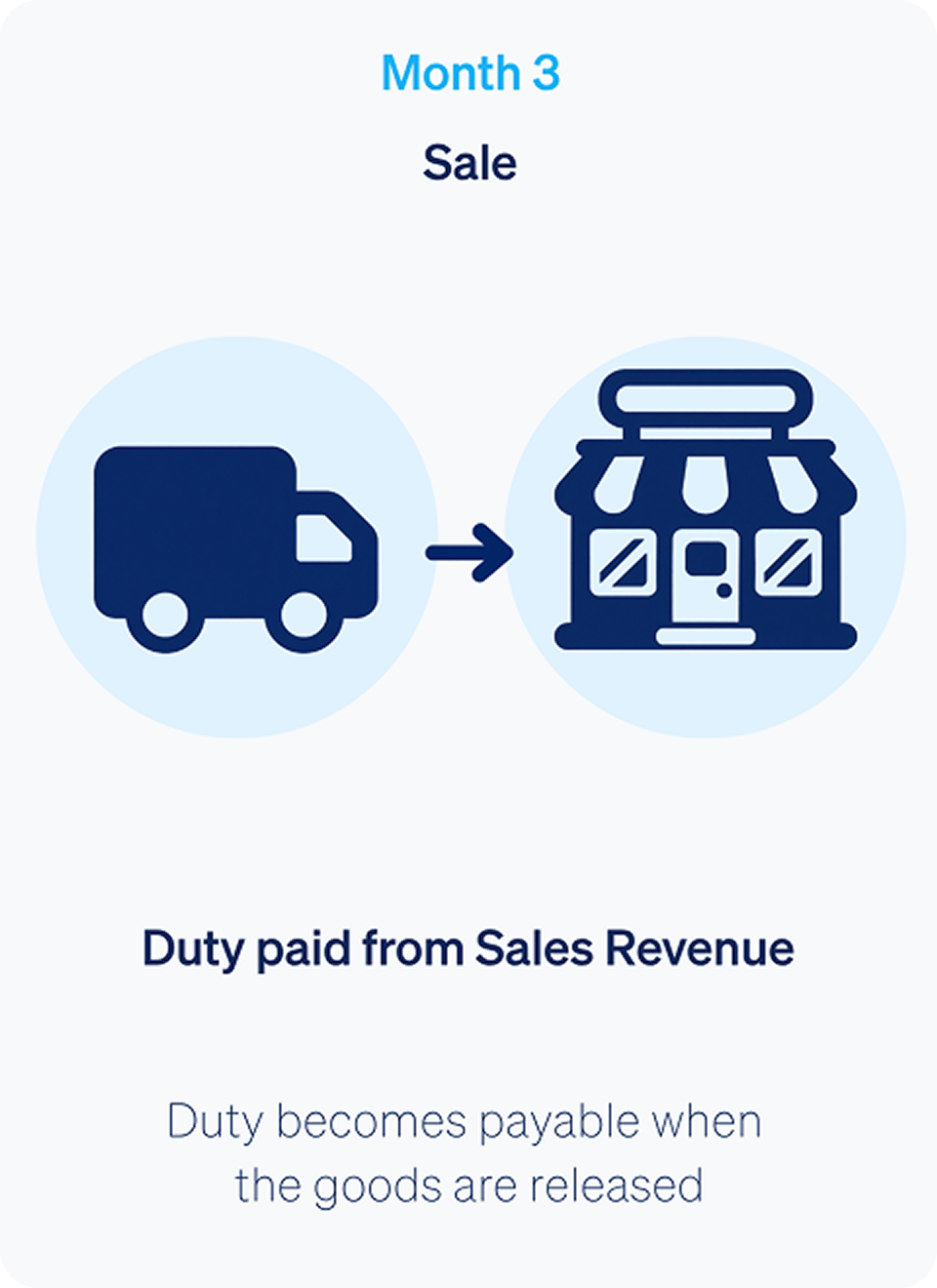
Delaying duty payments until goods are sold (via Warehousing) prevents capital from being tied up in stock sitting on shelves.

Enable Just-in-Time Logistics

Store goods locally in a bonded environment to serve customers instantly, without paying taxes until the moment of dispatch.

Prevent "Double Taxation"

Without Inward Processing, you pay import duty on raw materials entering the country, and your international customer pays duty again on the finished product. Reliefs prevent this accumulation of cost.

Special Procedures Explained

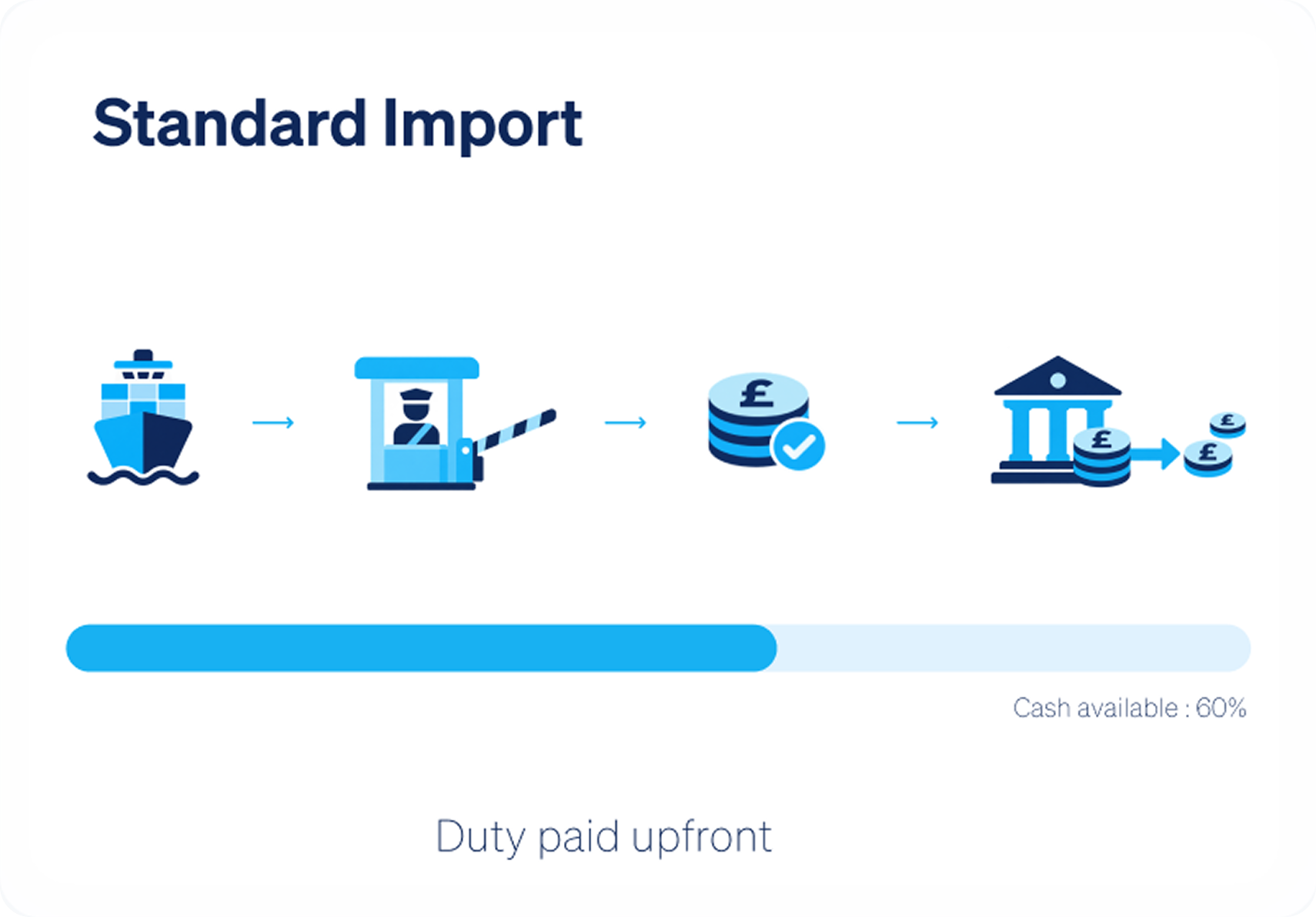
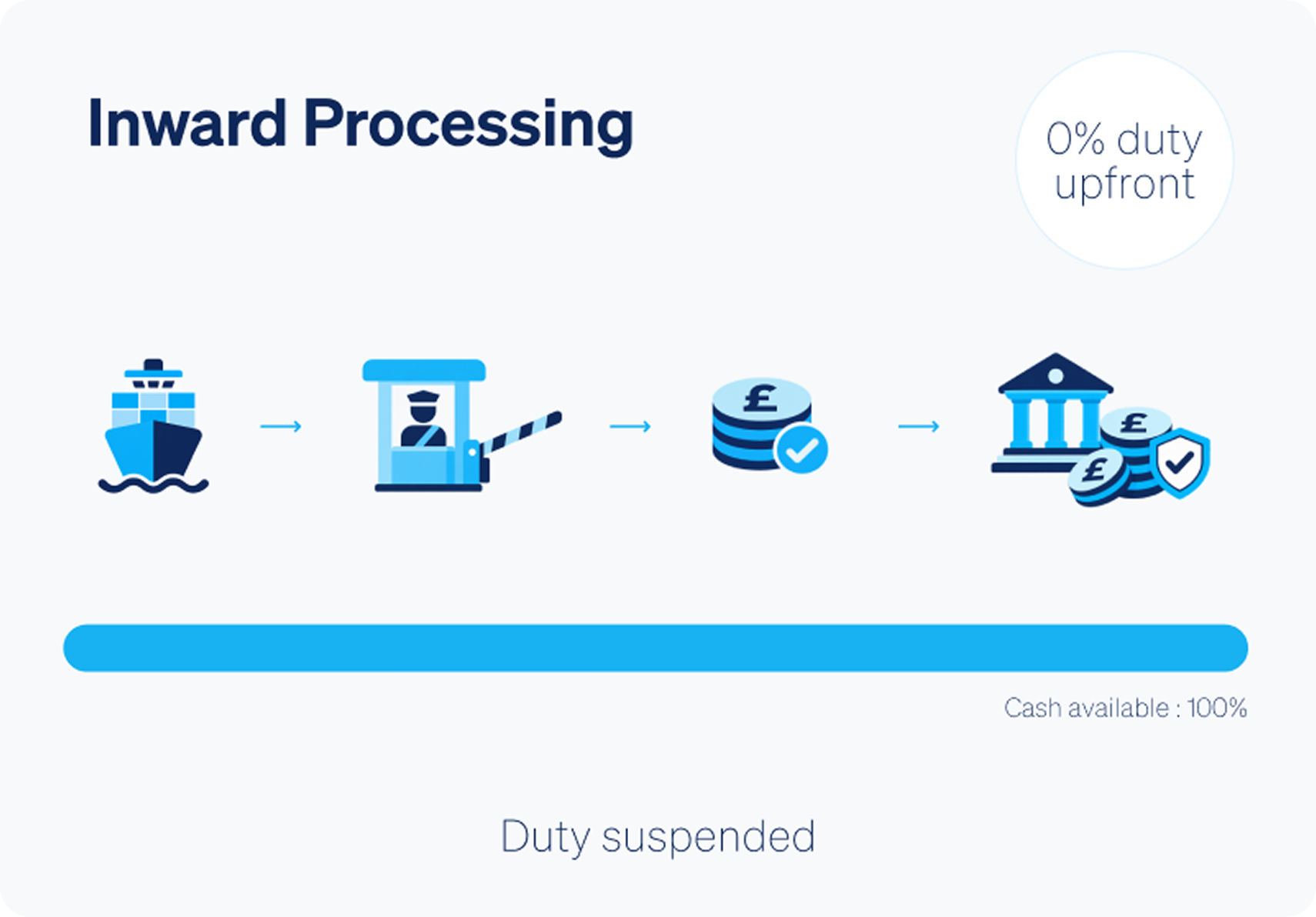
How Inward Processing protects cash flow

Compare the immediate duty cost of a standard import with the working capital benefit of Inward Processing.

Comprehensive Guide to Key Reliefs

We help you identify and implement the right procedure for your specific operation.


Inward Processing IP

Designed for manufacturers. It allows you to suspend duty and VAT on imports that are processed or repaired and then re-exported. If you sell the finished goods domestically, you can choose to pay duty at that later date.

  • Often referred to as Duty Drawback in North America.
  • Best For: Manufacturers & Assemblers
  • The Financial Benefit: 0% Duty on raw materials used for export.

Customs Warehousing Bonded Warehousing

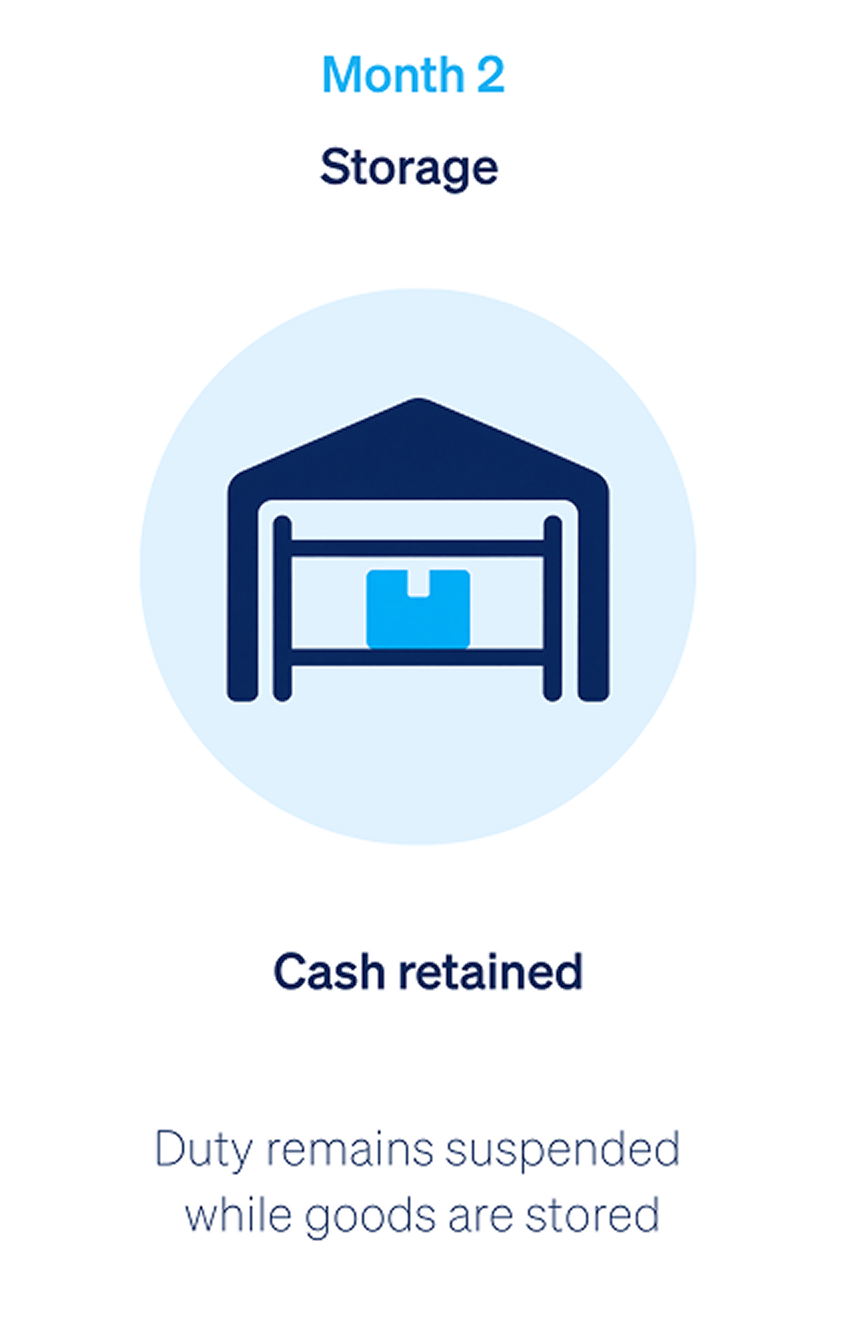
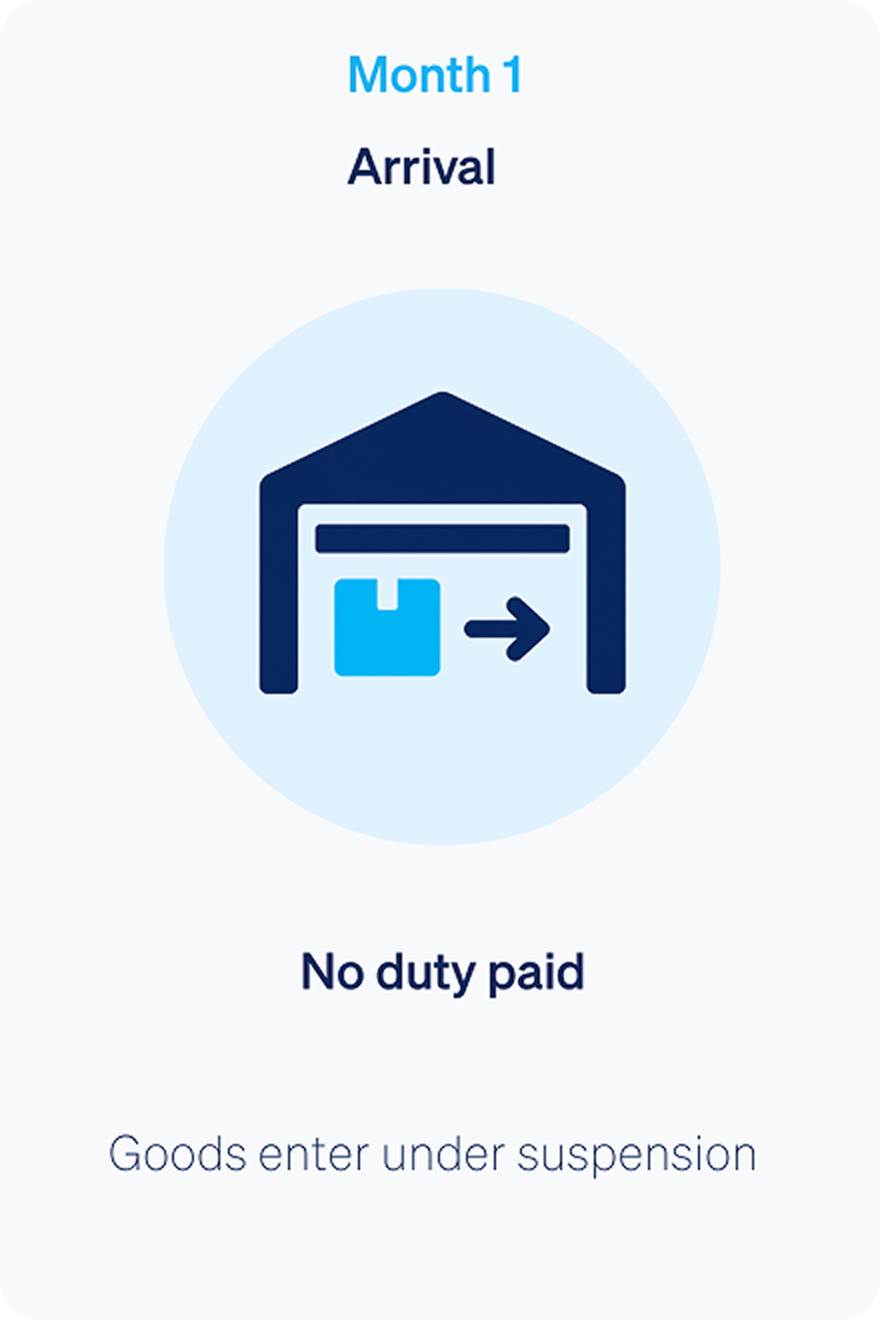
Designed for distributors and retailers. It allows you to store non-domestic goods duty-free. You only pay the taxes when the goods leave the warehouse for sale in the domestic market. If you re-export them, no duty is ever paid.

  • Best For: High-volume Importers
  • The Financial Benefit: Delay payment until stock is sold.
Special Procedures to Suspend Import Tax

The Warehousing Timeline

1
2
3

Outward Processing OP

Designed for repairs. If you export goods temporarily for processing or repair (e.g., sending machinery back to the manufacturer for a fix) and then re-import them, OP ensures you only pay duty on the value added (the cost of the repair), not the full value of the item.

  • Best For: Repair & Maintenance Ops
  • The Financial Benefit: Pay duty only on repair costs, not full value.

Returned Goods Relief RGR

Essential for e-commerce and retail. This relief allows you to re-import goods that have been returned by a customer without paying duty a second time, provided the goods have not been altered.

  • Best For: Retailers
  • The Financial Benefit: Avoid double duty on customer returns.

Temporary Admission

Designed for exhibitions and professional equipment. If you are bringing goods in for a trade show, a concert tour, or testing, and they will leave in the same state, this procedure fully suspends import duties.

Authorisation & Compliance

With great tax relief comes great responsibility.

These schemes are not automatic. To use Inward Processing or operate a Customs Warehouse, you must apply for authorisation from customs authorities (such as HMRC).

There can be "Customs Debt" risk

To maintain your authorisation, you must prove that every item entering the regime is accounted for. Failure to track this inventory can result in a "Customs Debt" essentially a demand for all back-dated taxes plus potential penalties. We assist in setting up the digital tracking and reporting systems required to pass customs audits.

Throughput Period

You must process or re-export goods within a specific timeframe.

Bill of Discharge

You must file reports proving the goods were re-exported or moved to free circulation.

Real-World Scenario

A Case of an Electronics Assembler

A UK tech company imports microchips (4% duty) from Taiwan to assemble into tablets destined for the US market.

Cost

Without relief, they pay 4% duty on millions of dollars of chips upon arrival in the UK. This is a "sunk cost" as the goods are leaving the country.

Solution

By implementing Inward Processing, the duty is suspended upon entry. Since the chips are re-exported as finished tablets, the 4% duty is never paid.

Book a free consultation with one of our experts.

Glossary

Useful Definitions

Bonded Warehouse: A secured facility supervised by customs authorities where dutiable goods may be stored without payment of duty or VAT.

Duty Suspension: A temporary removal of import duties on specific goods, usually raw materials where no domestic alternative exists.

Free Circulation: The status of goods where all import duties and taxes have been paid, allowing them to be sold or used freely within the domestic market.

Bill of Discharge: The formal report submitted to customs detailing what happened to goods imported under special procedures (e.g., proving they were re-exported).

Related Resources