Which materials are subject to the levy?
CBAM targets the most carbon-intensive raw materials, the very backbone of the built environment. From 2027 in the UK (and fully operational in the EU by 2026), importers will face carbon levies on:
The era of cheap, high-carbon imports is coming to an abrupt end. The introduction of the Carbon Border Adjustment Mechanism (CBAM) represents the most significant fiscal shift in material procurement for decades.
Designed to tackle 'carbon leakage', CBAM places a fair price on the carbon emitted during the production of carbon-intensive goods entering the UK and EU. For the construction industry, this transforms embedded carbon from an environmental statistic into a direct line-item cost on the ledger.

Carbon is rapidly moving from the sustainability agenda to the balance sheet. In a CBAM-driven market, every tonne of embedded emissions represents a potential cost, making high-carbon materials an increasingly risky investment.
CBAM targets the most carbon-intensive raw materials, the very backbone of the built environment. From 2027 in the UK (and fully operational in the EU by 2026), importers will face carbon levies on:
The primary structural components for most large-scale infrastructure and commercial projects.
Critical for facades, cladding,
and window systems.
The key ingredient in concrete, traditionally one of the highest contributors to embedded carbon.
Whilst less direct for construction, these impact the wider supply chain costs.
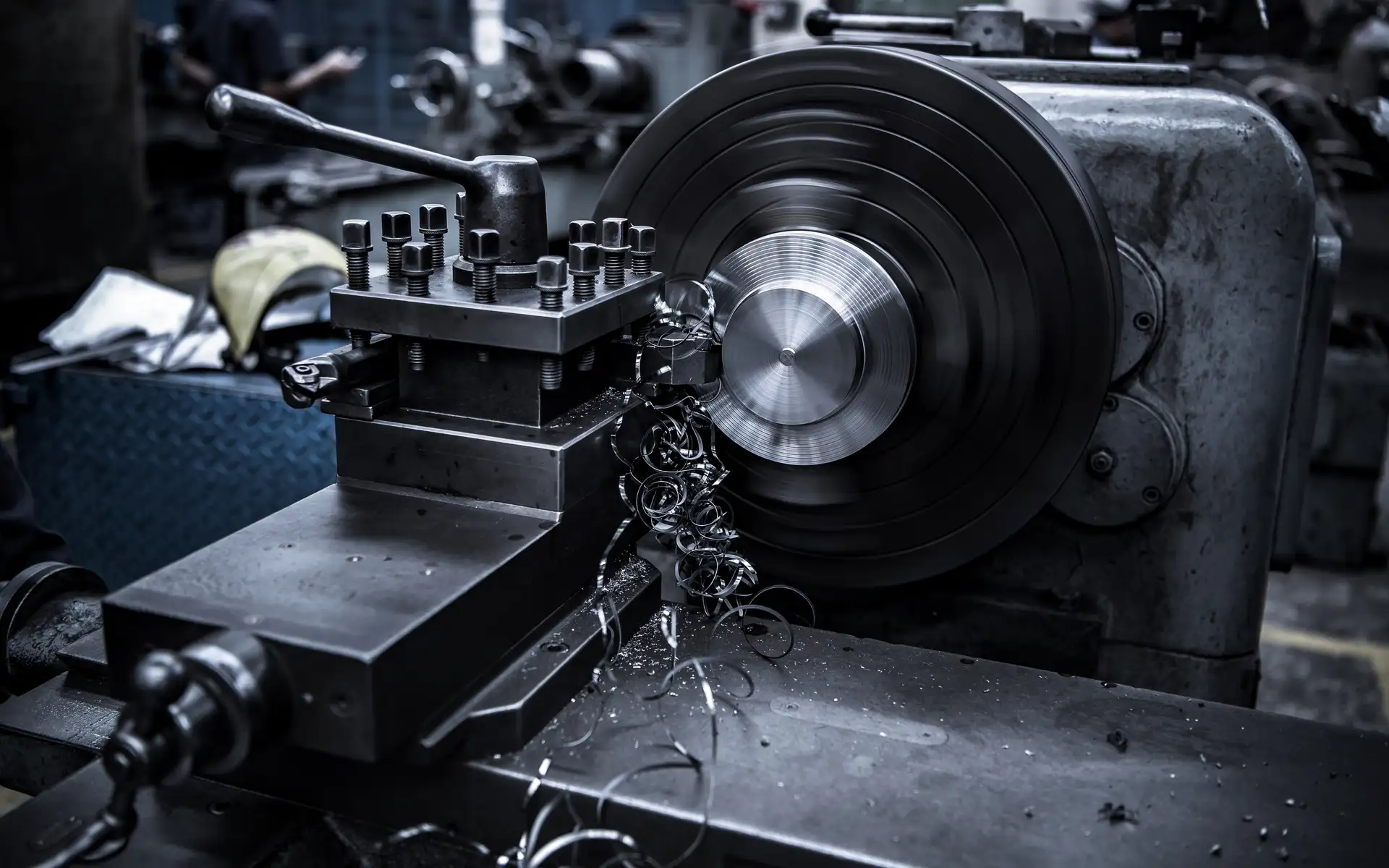



Steelmaking, especially blast furnace production, accounts for a large share of industrial emissions and is traded globally on thin margins. Without a border carbon cost, cleaner EU and UK producers risk being undercut.
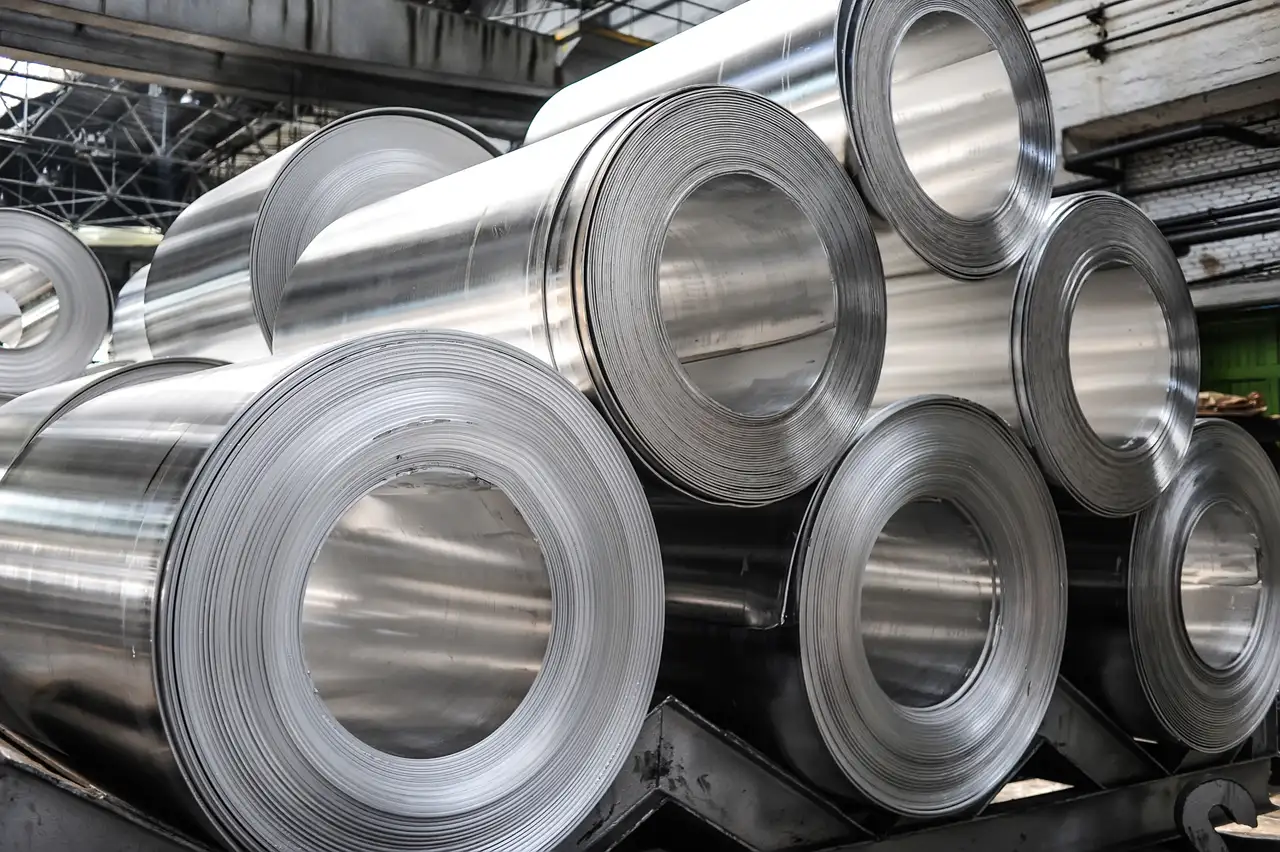
Smelting consumes huge amounts of electricity and releases process emissions, so carbon costs vary sharply between producing countries. CBAM equalises that gap for imports. The EU’s carbon price basis differs from the UK’s quarterly UK ETS tracking.

Cement emissions come largely from the chemical process of making clinker, not just fuel, so they cannot be reduced by energy switching alone. It’s heavy and costly to move, so it still faces import pressure. The EU is already phasing out free allocation; the UK from January 2027.
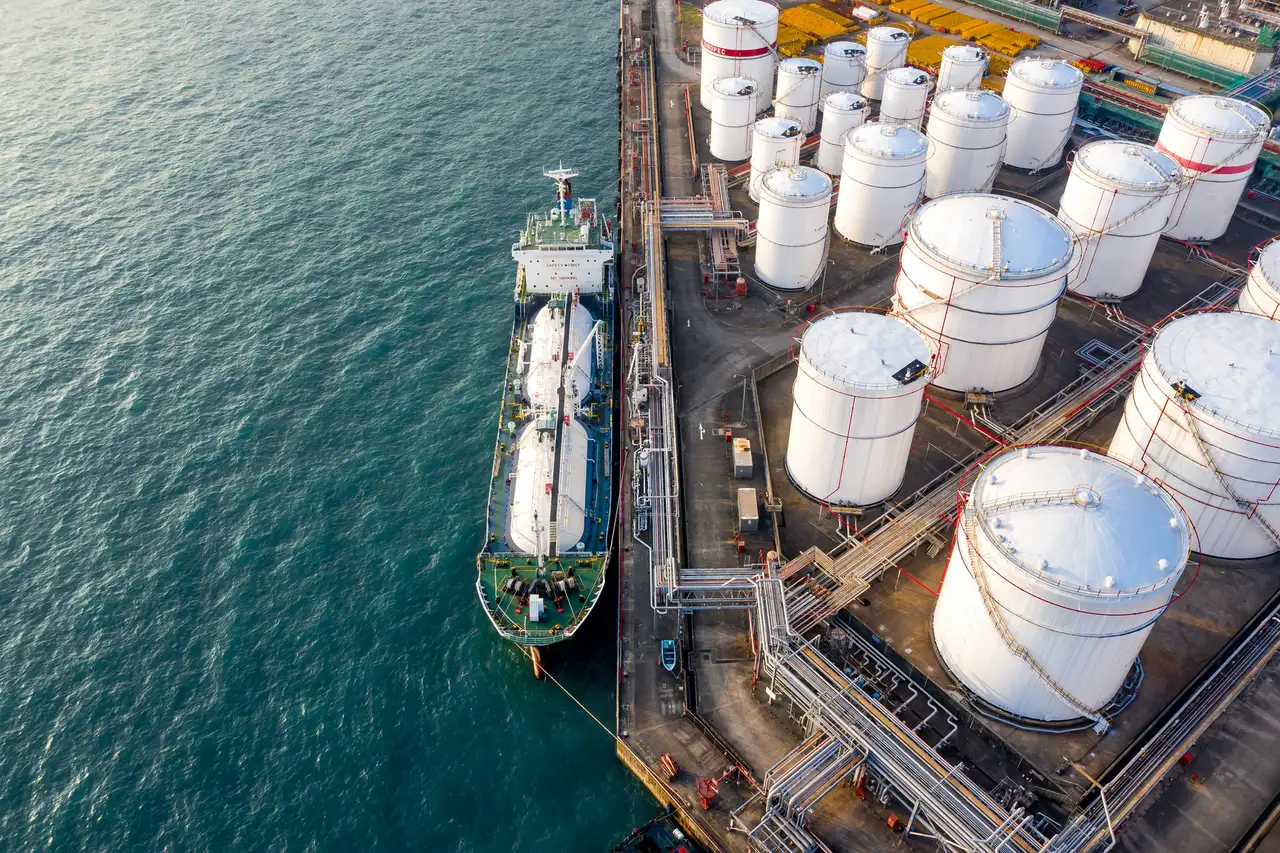
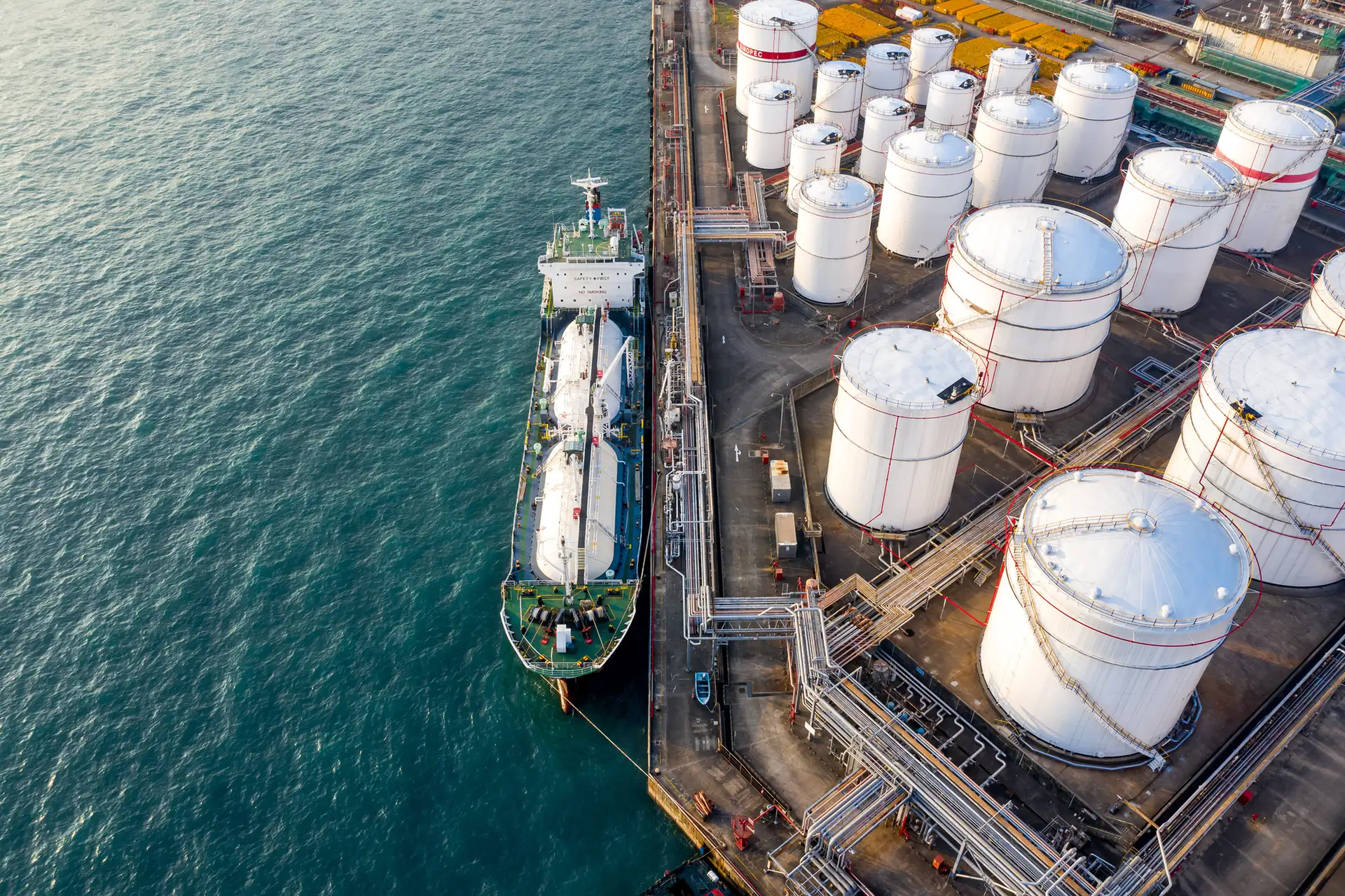
Most hydrogen is still produced from natural gas, making it a carbon-intensive production. It also feeds directly into fertiliser and steel production. Covering it under CBAM prevents leakage upstream of other sectors.
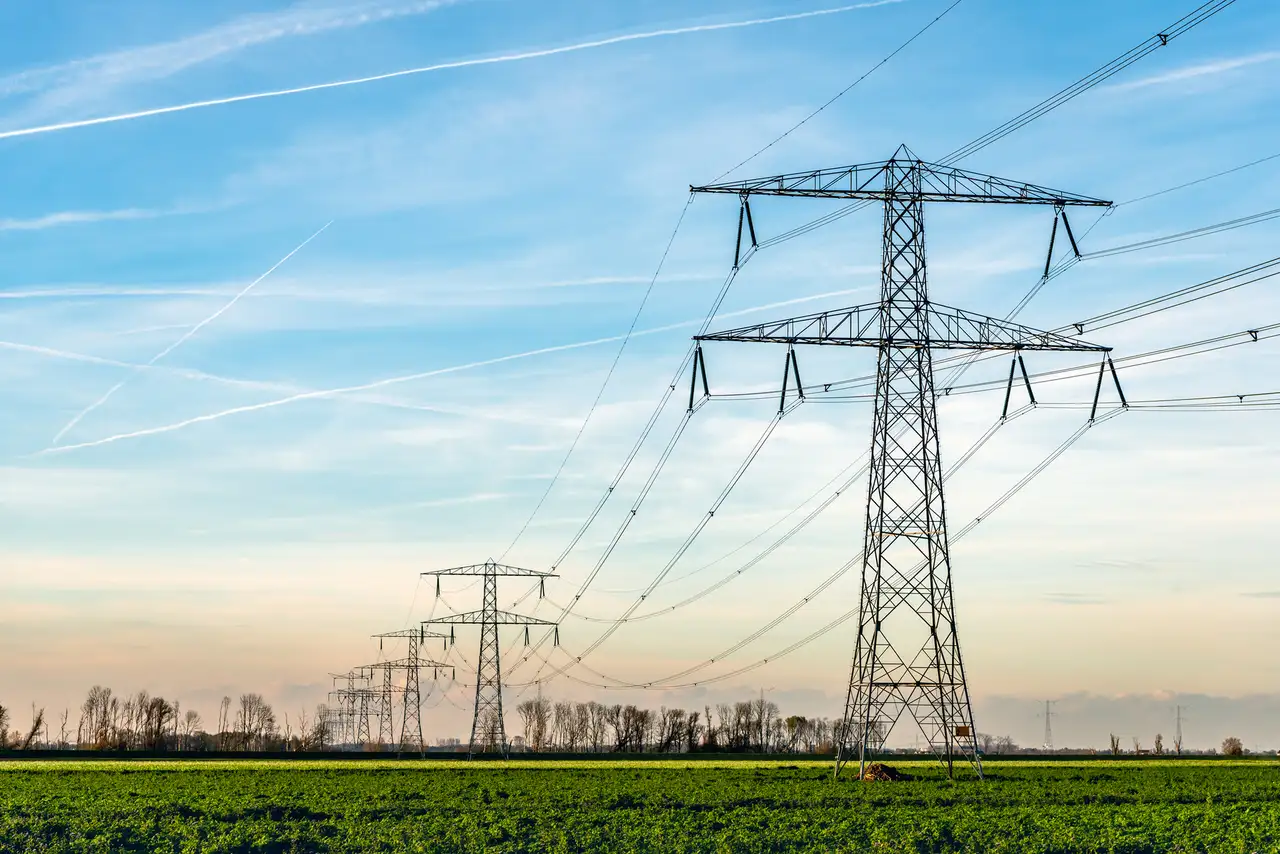
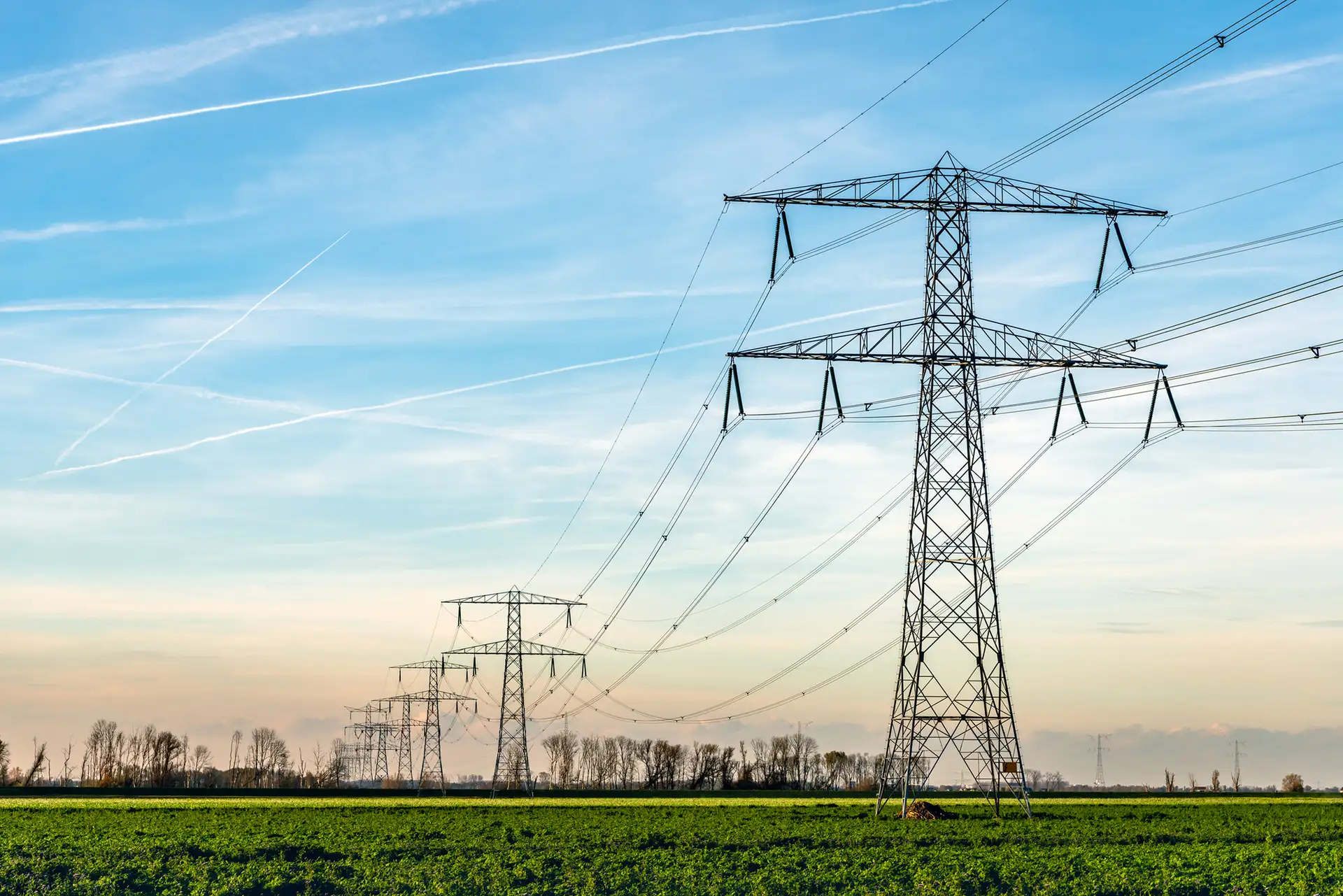
Power generation is still among the largest sources of ETS emissions, and electricity imported from grids with weaker carbon pricing could displace cleaner domestic generation. This is the one sector the EU CBAM covers but the UK currently excludes.
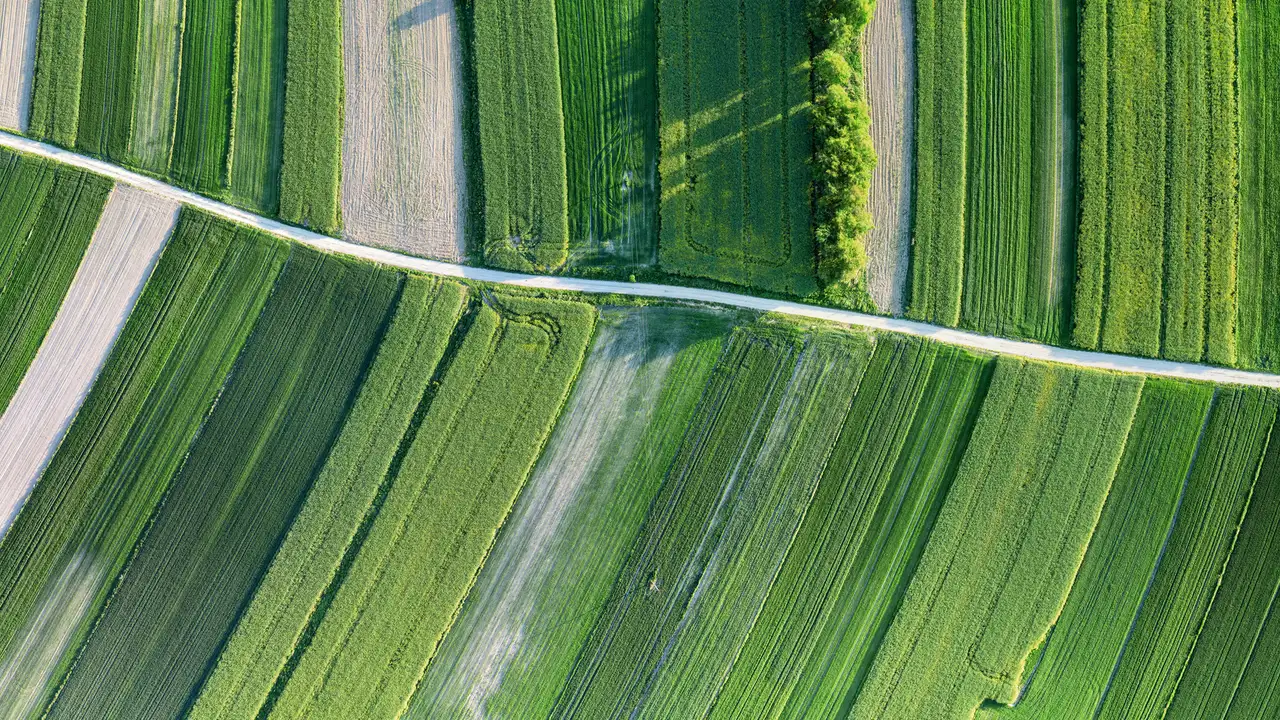
Fertiliser production, particularly ammonia, is energy-intensive and relies heavily on natural gas, generating large direct emissions. As a widely traded commodity, it is exposed to carbon leakage. Falls under CBAM in the EU now and from January 2027 in the UK
If these materials are sourced from countries with lower climate standards than the UK/EU, the importer must purchase certificates to cover the carbon price gap.
The financial liability is twofold: (1) the direct cost of the carbon certificates and (2) the administrative cost of compliance.
As the free allocation of carbon allowances is phased out, the cost of imported steel and cement is projected to rise significantly. This is not a market fluctuation; it is a structural price floor set by the carbon market.
Developing the capability to calculate, report, and verify the embedded carbon of imports requires investment. Failure to report accurately can result in substantial fines, creating a new tier of financial risk for procurement teams.
2027
2028
2029
2030
Line graph illustrating the projected price increase of imported steel relative to UK- and EU-produced steel as free allowances are gradually phased out.
CBAM creates a distinct split in the global supply chain, potentially stranding assets or limiting access to materials.
Non-UK/EU manufacturers may choose to bypass these regulated markets entirely rather than navigate the complex verification process, reducing the pool of available suppliers and driving up competition for local resources.
On the one hand the UK CBAM introduces a direct carbon cost on imported goods, making emissions a tangible commercial consideration. As compliance costs increase, businesses may need to allocate additional financial resources to carbon-intensive supply chains, influencing sourcing and investment decisions. Equally, importers will face an additional carbon-related cost on covered imports based on their embodied emissions. This creates a new financial burden that can affect cash flow, increase procurement costs, and reduce funds available for investment, growth, or operational expenditure.
Organisations relying on a 'lowest initial cost' procurement strategy are most exposed. The 'ex-works' price of a steel beam from a high-carbon jurisdiction may look cheap, but the 'landed cost', once the CBAM levy is applied, could be prohibitive.
Main contractors on fixed-price contracts who have not factored in CBAM levies for projects spanning into 2027 and beyond may face some margin challenges.
Developers failing to mandate low-carbon specifications will ultimately foot the bill, as contractors price in the risk of volatile carbon levies. The liability sits with those who fail to design out carbon-intensive imports.
Two separate steel procurement strategies reveal how hidden carbon border taxes can drastically alter true landed costs. Choosing cheaper, high-carbon materials can trigger massive liabilities, making sustainable sourcing the more economical choice.
Sourced the cheapest available steel from a high-carbon power grid.
| Upfront Steel Purchase Cost | £1,000,000 (Baseline) |
| CBAM Carbon Tax Liability | £120,000 (Imported high-carbon grid) |
| Total Realized Cost | £1,120,000 |
| Financial Outcome | Net Loss: £90,000 (Relative to green option) |
While it appeared to save £30,000 upfront compared to low-carbon alternatives, it triggered a final CBAM tax of £120,000.
A short-sighted upfront "saving" resulted in an overall £90,000 net loss.
Procured verified low-carbon steel, paying an upfront "green premium" of £30,000.
| Upfront Steel Purchase Cost | £1,030,000 (£30k green premium) |
| CBAM Carbon Tax Liability | £0 (Sourced with verified low emissions) |
| Total Realized Cost | £1,030,000 |
| Financial Outcome | Net Savings: £90,000 (By avoiding CBAM) |
Because of its low emissions, its CBAM tax liability was £0.
Investing in sustainable procurement upfront completely bypassed the carbon tariff, yielding a £90,000 net saving over Project A.
Get in touch with one of our friendly experts for advice.

